How to Spot AI-Generated Product Photos When Shopping Online
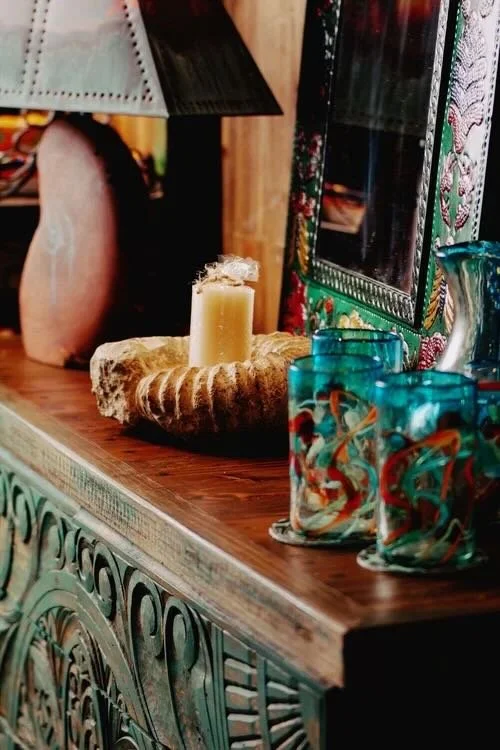
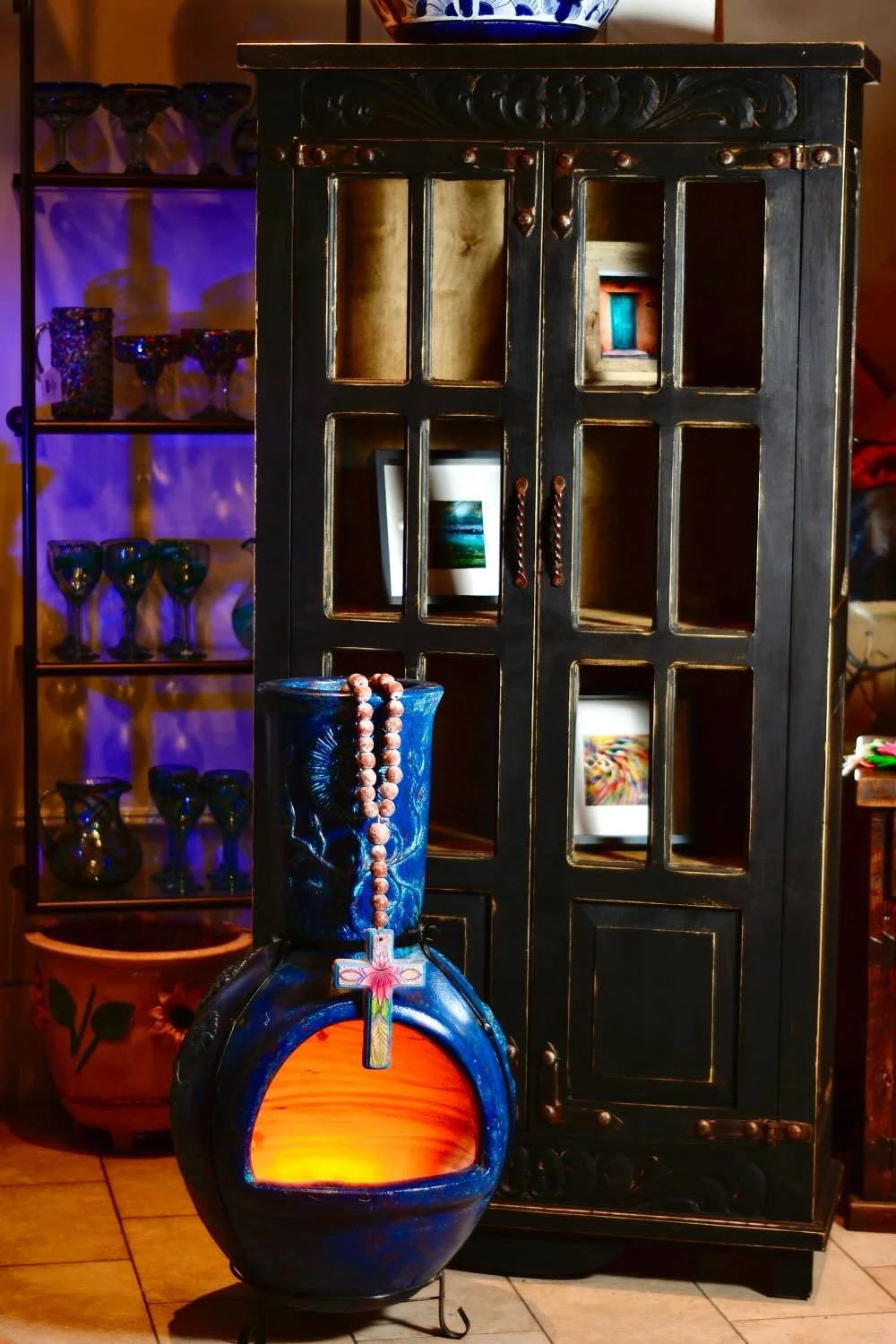
Artificial intelligence has made it incredibly easy to create product images that look convincing at first glance. Unfortunately, many of these images aren't photographs of actual products—they're digital creations generated by software.
For shoppers, that's a growing concern.
When you're investing in handcrafted furniture, lighting, or home décor, you deserve to see the real product—not a computer-generated interpretation of what it might look like.
Unlike mass-produced items, handcrafted furniture is defined by its unique character. Every piece of reclaimed wood, hand-hammered copper, hand-tooled leather, and forged iron has natural variations that simply can't be recreated accurately by artificial intelligence.
Here's how to recognize AI-generated product photos and why authentic photography matters.
1. Beware of "Perfect"
One of the biggest clues is perfection.
AI-generated furniture often appears almost too flawless. Every board is perfectly straight, every edge is perfectly crisp, every texture is evenly distributed, and every decorative element looks identical.
Real handcrafted furniture doesn't look like that.
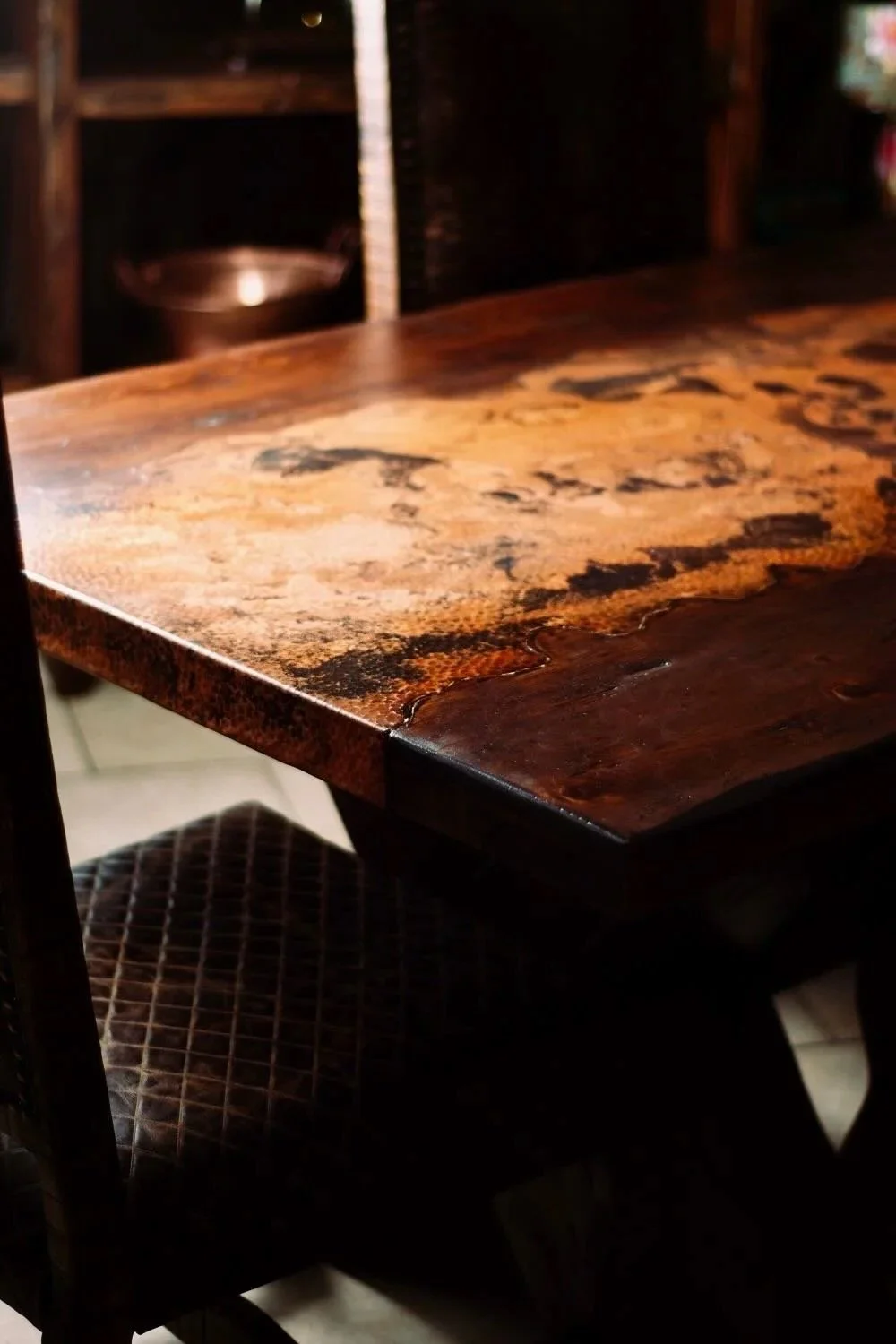
Natural wood grain varies. Leather develops character. Hammered copper contains subtle differences. Hand-forged iron has slight variations created by the artisan's work.
Those imperfections aren't flaws—they're evidence that a real person made the piece.
2. Examine the Materials
Look closely at wood, leather, metal, and stone.
In authentic product photography, materials have natural depth, variation, and texture.
AI-generated images often struggle to reproduce these details accurately. Wood grain may appear repetitive or unnaturally smooth. Leather can look plastic-like. Copper and iron sometimes have unrealistic reflections or an overly polished appearance that doesn't match real handcrafted finishes.
3. Watch for Repeating Patterns
Artificial intelligence frequently repeats details without realizing it.
You may notice identical wood knots, duplicated carvings, repeated nail heads, or decorative elements that appear copied across a piece.
Handcrafted furniture is built by skilled artisans—not algorithms—so these kinds of repeated patterns rarely occur naturally.
4. Look at the Small Details
The longer you study an AI-generated image, the more inconsistencies you may find.
Hardware may not attach correctly.
Cabinet doors may have uneven proportions.
Table legs might appear slightly different from one another.
Decorative ironwork can fade into impossible shapes.
Lighting and shadows may not behave naturally.
These details can be easy to overlook at first, but they become more obvious with closer inspection.
5. Does the Retailer Show Multiple Photos?
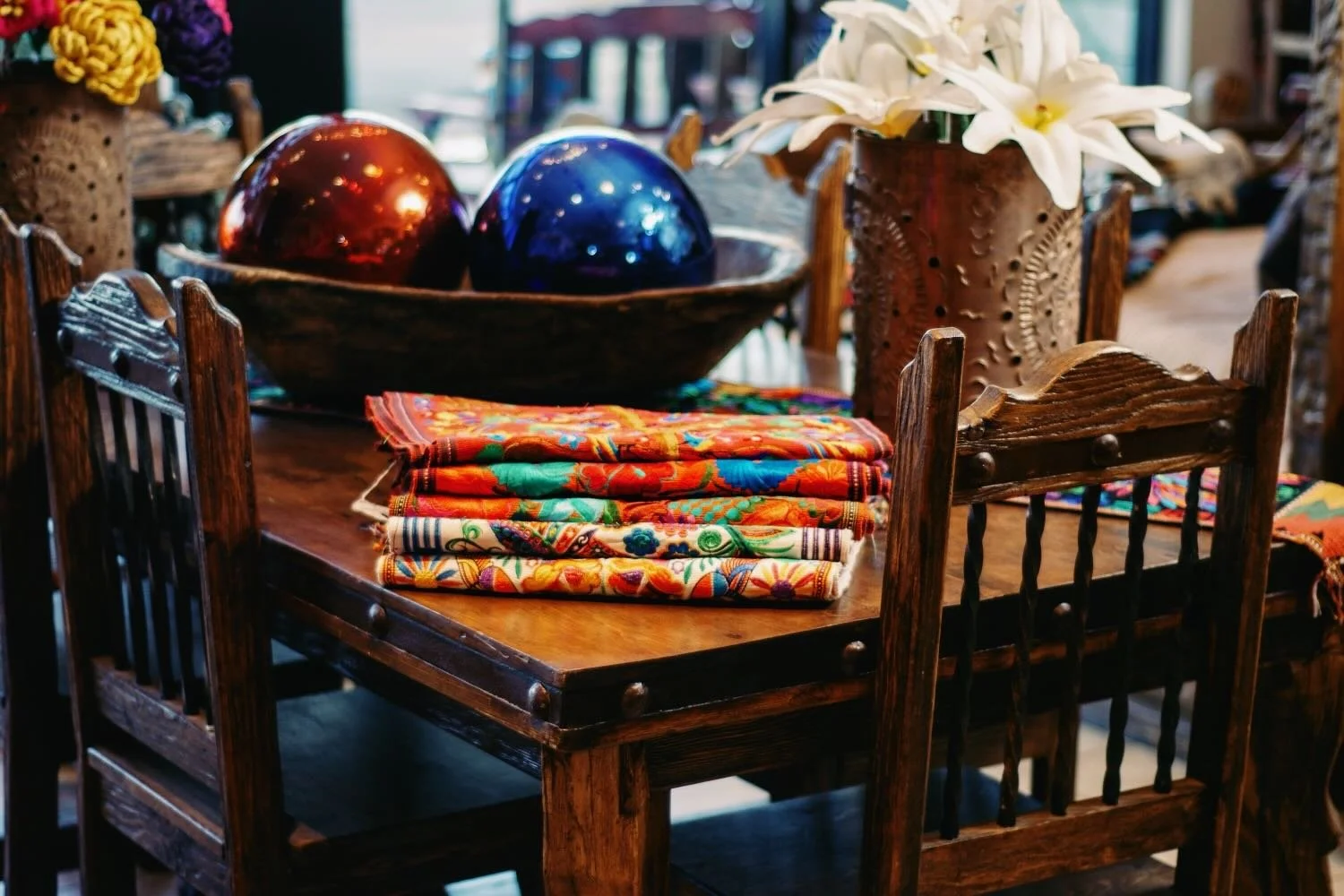
A reputable furniture retailer should proudly display multiple photographs from different angles.
Close-up images allow you to examine wood grain, leather texture, copper finishes, carvings, hardware, and construction details.
If every image appears heavily stylized, computer-perfect, or there's only a single glamorous render, it's worth asking whether you're looking at an actual product.
6. Read the Description Carefully
Authentic handcrafted furniture should be accompanied by detailed information.
Look for descriptions that explain:
Materials
Construction methods
Dimensions
Country of origin
Handcrafted techniques
Natural variations you should expect
The more transparent a company is about its products, the easier it is to shop with confidence.
7. Ask for Additional Photos
If you're unsure whether a product image is real, ask.
A company selling genuine handcrafted furniture should be able to provide additional photographs, close-up images, or answer questions about materials and craftsmanship.
Businesses that stand behind their products generally have no reason to hide them.
Why Authentic Photography Matters
Furniture is one of the largest purchases many people make for their home.
Customers shouldn't have to guess whether the images they're viewing represent an actual product or a digitally generated concept.
Authentic photography allows shoppers to evaluate craftsmanship, finishes, proportions, and materials before making an investment. It also sets realistic expectations and gives customers greater confidence in what they're purchasing.
When a piece is handmade, every photograph tells part of its story.
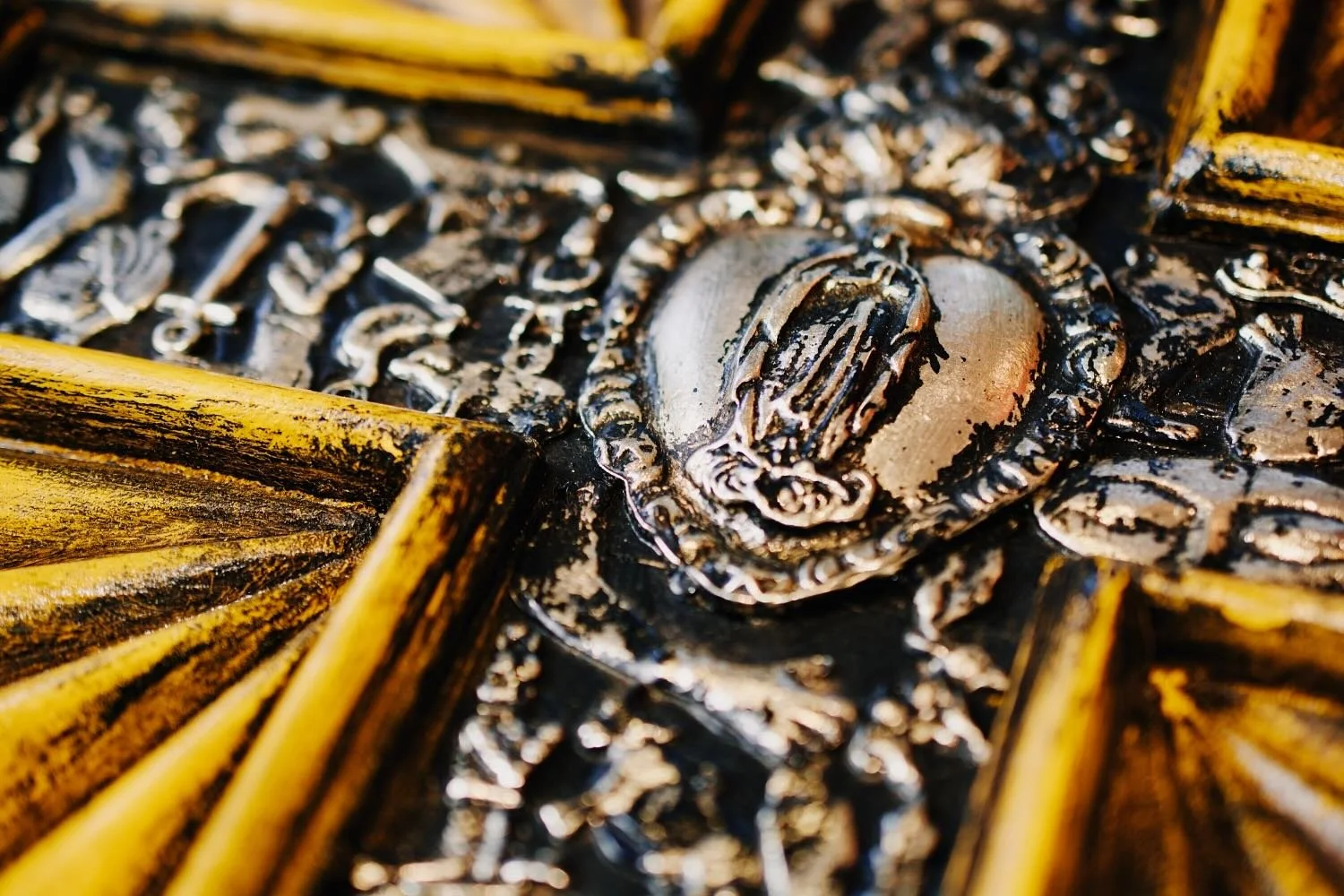
Our Commitment at Milagros Rústicos
At Milagros Rústicos, we believe handcrafted furniture should be represented with authentic photography whenever possible.
Our artisans invest extraordinary skill, time, and tradition into every piece they create. Their craftsmanship deserves to be seen as it truly exists—not enhanced, reinvented, or imagined by artificial intelligence.
When you browse our collection, our goal is simple: to show you the genuine beauty of handcrafted furniture through real photography that reflects the quality, character, and artistry of every piece.
Because authenticity isn't just part of our business—it's one of our values.